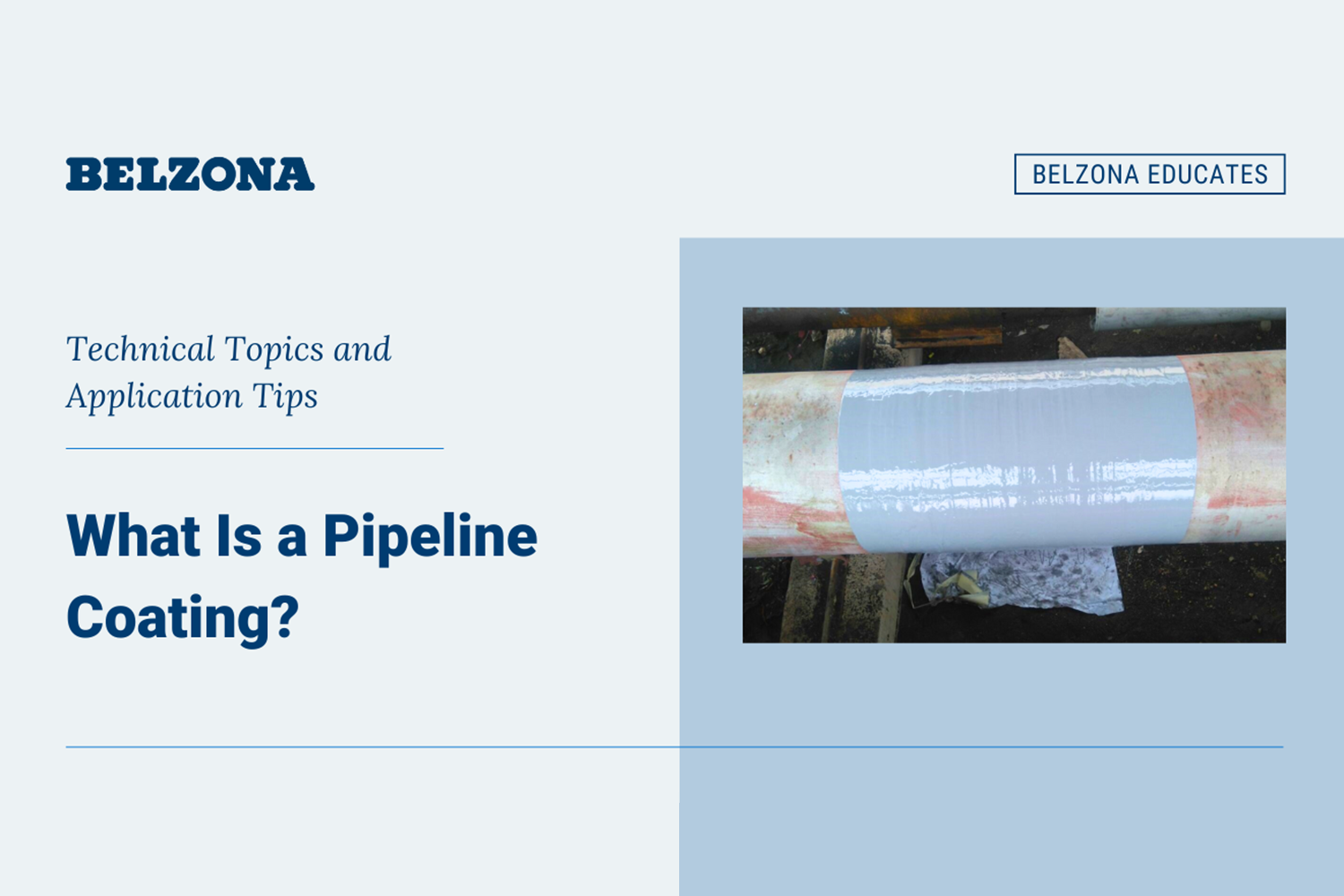
Pipelines are essential to industries ranging from oil and gas to water treatment. However, these assets face constant exposure to harsh environments, which can lead to corrosion, erosion, impact, and chemical attack. To extend their service life and maintain efficiency, maintenance teams rely on pipeline coatings — protective systems designed to safeguard internal and external pipe surfaces.
Why Pipelines Need Protection
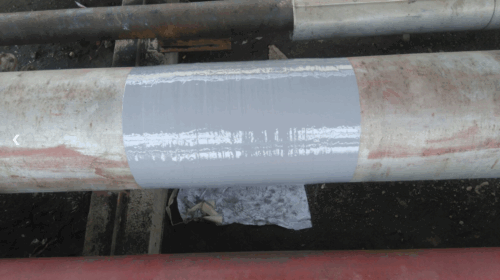
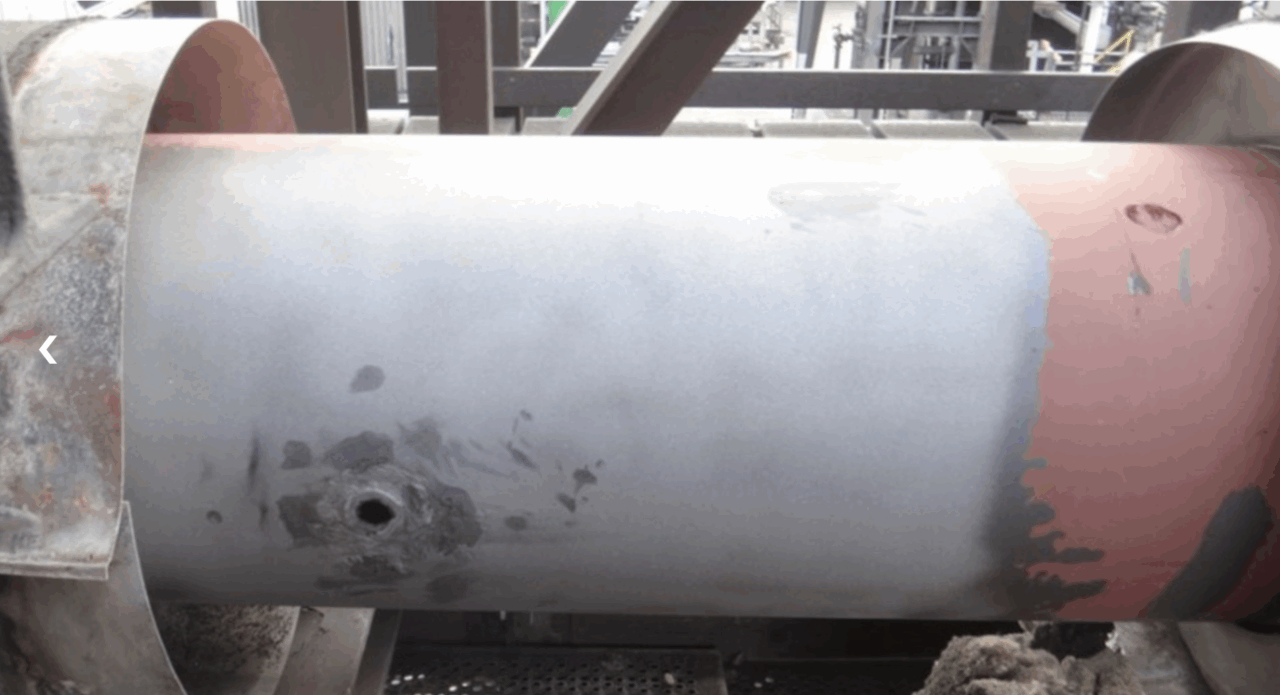
Every pipeline is exposed to conditions that cause gradual deterioration. Substances transported inside the pipes — such as water, wastewater, oil, or chemicals — can corrode or erode the internal surfaces. Externally, environmental factors like saltwater or high humidity accelerate corrosion, especially in offshore facilities or coastal plants.
Without proper protection, these factors can lead to leaks, pressure drops, and costly shutdowns. Belzona's pipeline coating systems offer durable, cold-applied protection for a wide range of operating environments.
Step-by-Step: How Pipeline Coatings Work
Surface Preparation
The surface must be cleaned and roughened to ensure strong adhesion. Belzona materials can bond to metallic, concrete, or composite substrates without the need for hot work.
Application of the Coating
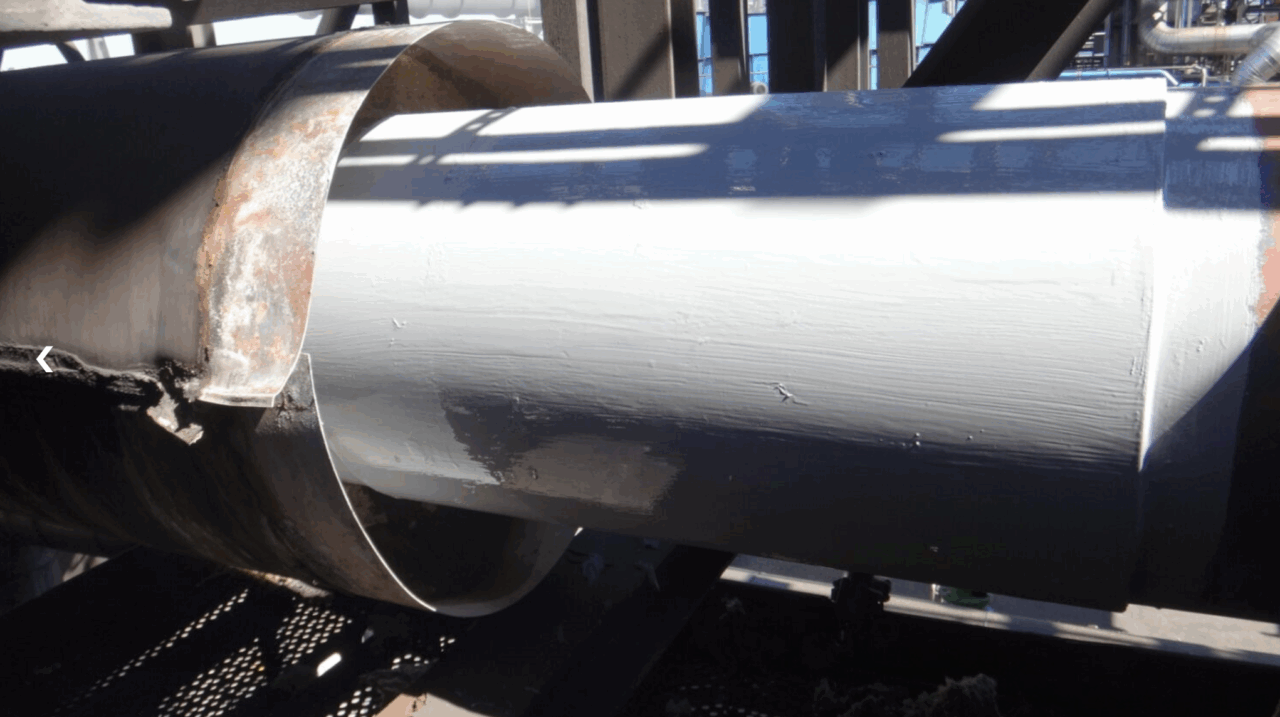
The selected coating, such as a Belzona epoxy system, is applied to form a seamless, impermeable barrier using brushes, rollers, or spray equipment.
Curing and Inspection
Once applied, the coating cures to form a tough, chemical-resistant layer. Inspection ensures the correct film thickness and full coverage have been achieved.
Service Return
After curing, the system can be placed back into service quickly, minimising downtime and maximising productivity.
Types of Pipeline Coating Solutions
Leak Sealing
Epoxy coatings can seal both liquid and gas leaks, preventing environmental hazards and pressure loss.
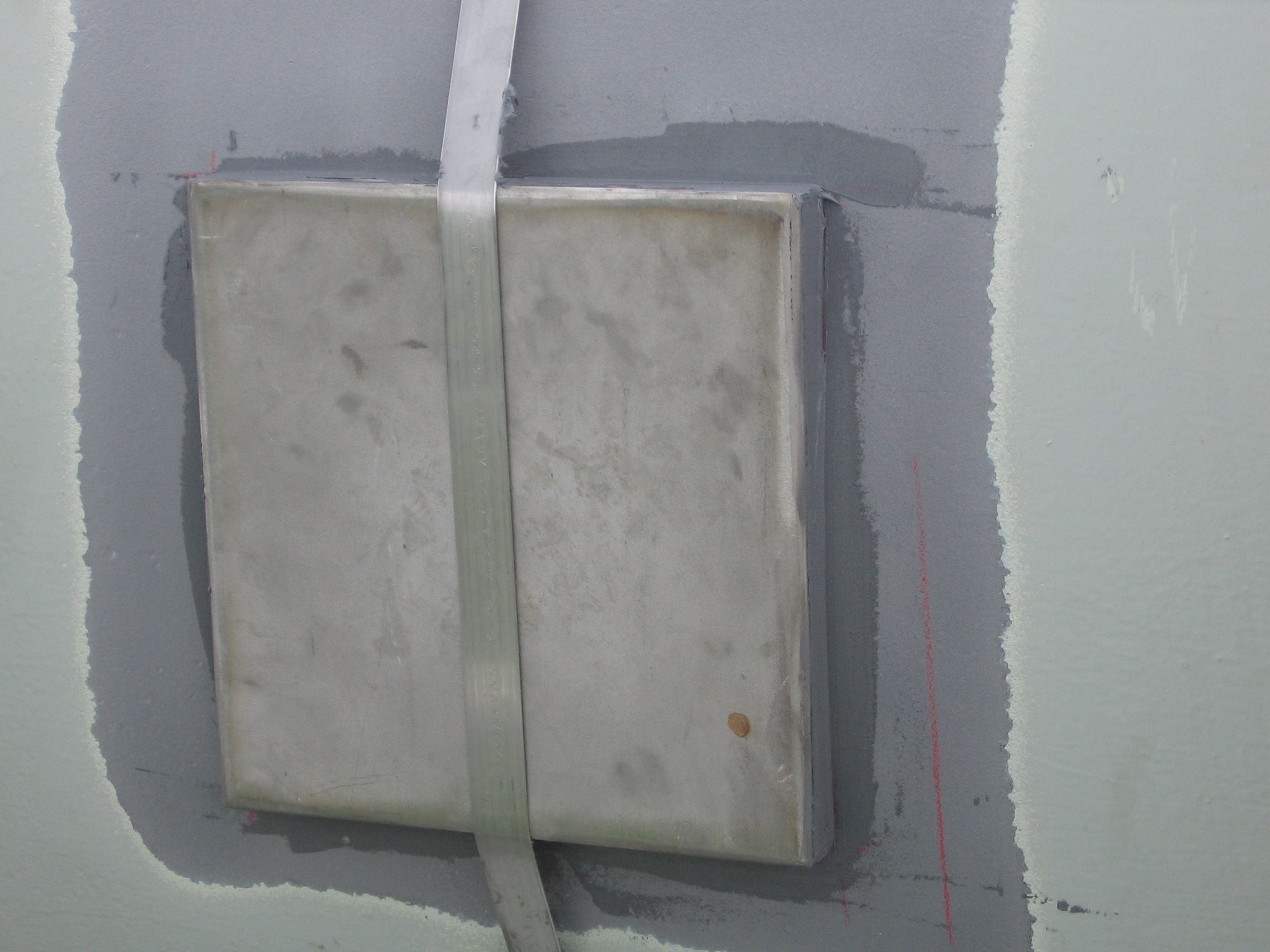
Plate Bonding
Belzona's structural adhesives bond and seal metal components, serving as a cold-work alternative to welding.
Composite Wrapping
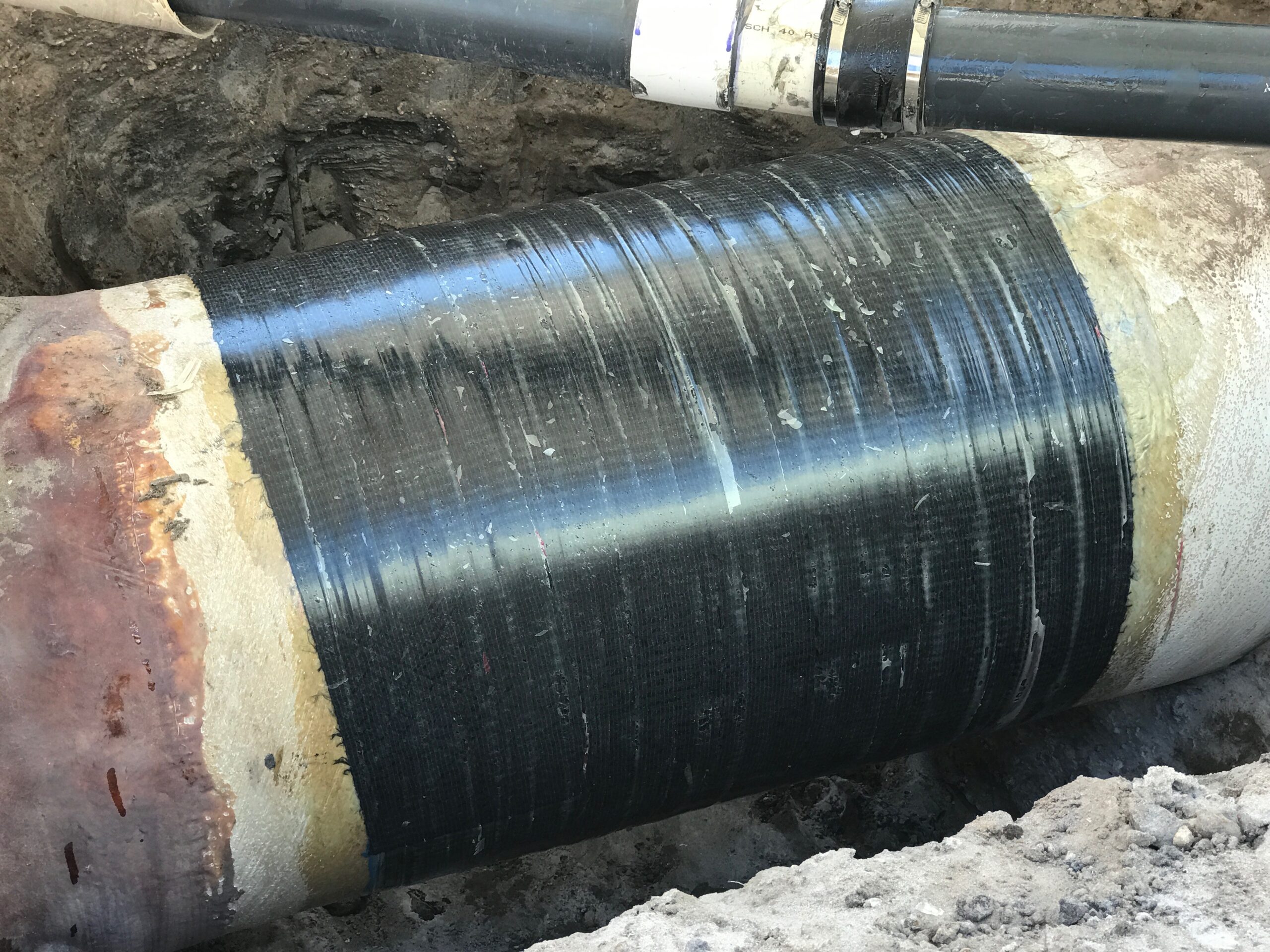
Reinforces weakened or holed pipelines, restoring strength and chemical resistance — compliant with ISO 24817 and ASME PCC-2.
Corrosion Protection
Pipeline coatings create a barrier against moisture, salt, and chemicals — including protection against Corrosion Under Insulation (CUI).
Immersion-Grade Coatings
Some systems are formulated to be applied and cured underwater, ideal for offshore and marine assets.
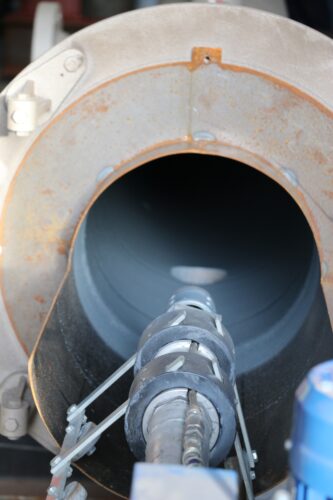
Internal Lining
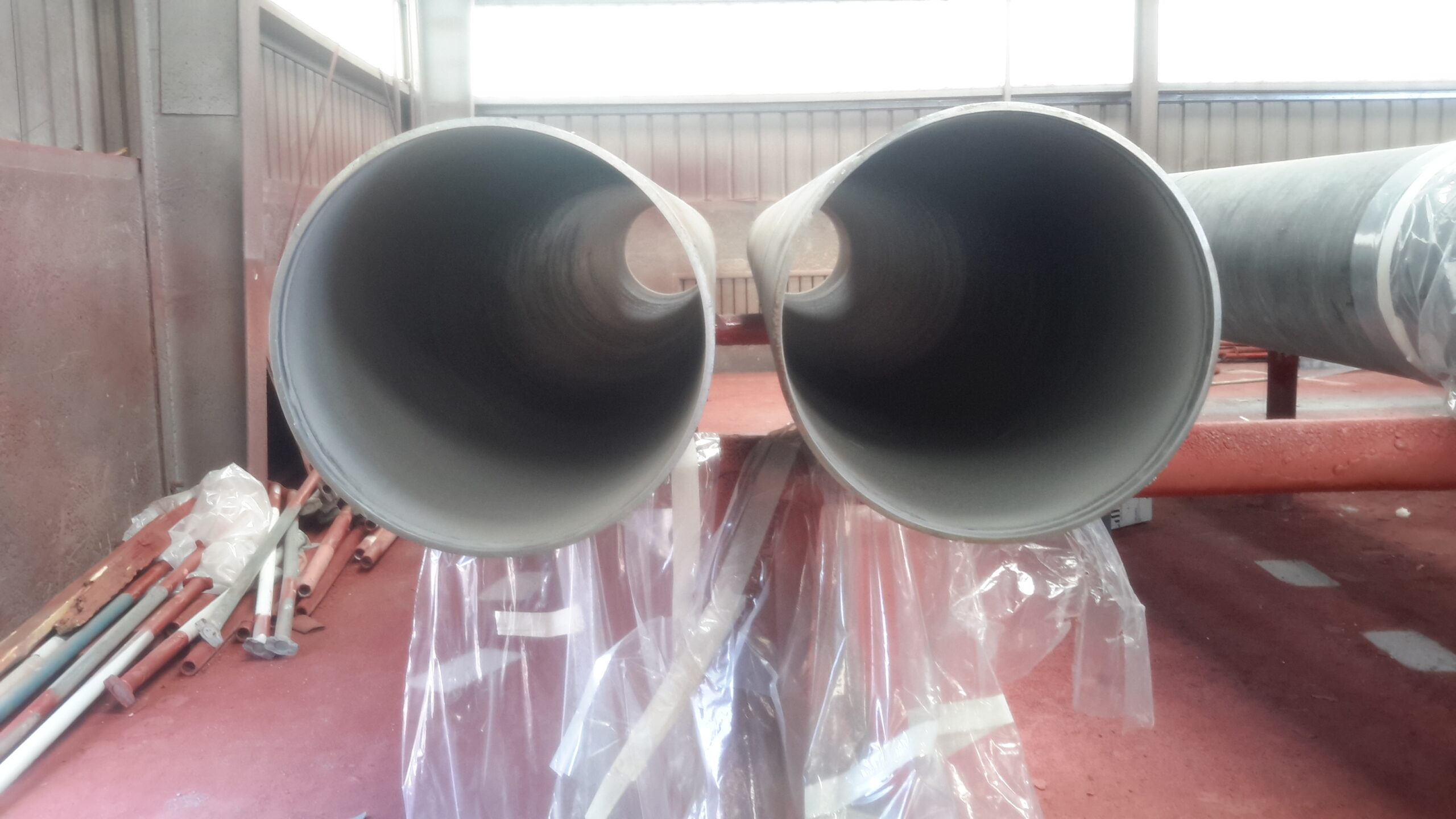
Internal pipeline coating systems improve flow efficiency through hydrophobic properties while resisting erosion and corrosion inside the pipeline.


Belzona Pipeline Coatings
Recommended Products
Erosion and corrosion protection for equipment under continuous immersion up to 50°C (122°F).
Internal pipeline coating designed to improve efficiency of fluid handling equipment and protect against erosion-corrosion.
Protective coating for equipment under immersion from erosion and corrosion at high temperatures up to 95°C (203°F).
Sprayable pipeline coating for equipment under continuous immersion up to 110°C (230°F).
Ceramic-filled epoxy coating providing erosion and corrosion resistance under immersion up to 130°C (266°F).
High-gloss topcoat for long-term protection of metallic and non-metallic surfaces against weathering, corrosion, and chemical attack.
Benefits of Using Epoxy Pipeline Coatings
Key Benefits
- Cold-applied — no hot work required
- Reduced downtime and maintenance costs
- Chemical, temperature, and abrasion resistance
- Safe and simple application process
- Extended service life of critical assets
Belzona's range of pipeline coatings ensures long-term protection across diverse industries, including power generation, water treatment, and petrochemical facilities. Pipeline coatings are not only a protective measure, but a long-term investment in asset reliability and safety. By selecting the right epoxy pipeline coating, facilities can prevent corrosion-related failures, minimise environmental risks, and enhance overall system efficiency.
Frequently Asked Questions
What is a pipeline coating used for?
A pipeline coating is used to protect metal pipework from corrosion, erosion, chemical attack, and impact damage. These coatings act as a barrier between the substrate and its environment, preventing issues like leaks and rust. Epoxy pipeline coatings, such as those offered by Belzona, are particularly effective because they can be cold-applied — eliminating the need for hot work — and provide long-term resistance to chemicals, water, and extreme temperatures.
How does an epoxy pipeline coating prevent corrosion?
An epoxy pipeline coating prevents corrosion by creating an impermeable layer that blocks moisture, oxygen, and corrosive chemicals from reaching the metal surface. Belzona's pipeline corrosion protection coatings can be applied internally or externally, even on damp or oily substrates. Once cured, they form a durable, chemical-resistant film that stops Corrosion Under Insulation (CUI) and other degradation mechanisms that threaten asset integrity.
Can pipeline coatings be used for repairs as well as protection?
Yes. Pipeline coatings are not only used for corrosion protection but also for structural repair. Belzona's systems allow for pipeline repair through composite wrapping, leak sealing, and plate bonding — eliminating the need for welding or lengthy downtime. These cold-applied materials can restore strength to damaged pipelines, seal leaks, and protect against further degradation, even in submerged or chemically aggressive environments.